











Driving Operational Excellence in the Food Processing Industry

Helping food processing organizations improve consistency, efficiency, compliance, and scalability across the value chain.

The food processing industry is evolving rapidly, with rising expectations around quality, safety, and traceability. We support organizations in stabilizing operations, reducing inefficiencies, and building systems that enable sustainable growth.

Critical Challenges Shaping Industry Performance

The food processing industry faces interconnected operational challenges that impact quality, efficiency, compliance, and profitability. Without integrated systems and disciplined execution, performance remains inconsistent and reactive.

infographic

    1

    Inconsistent Yields & Process Variability

    Uncontrolled raw material variation and unstable process parameters lead to fluctuating yields, inconsistent quality, rework, and margin erosion. Without scientific process control, variability becomes a hidden cost.
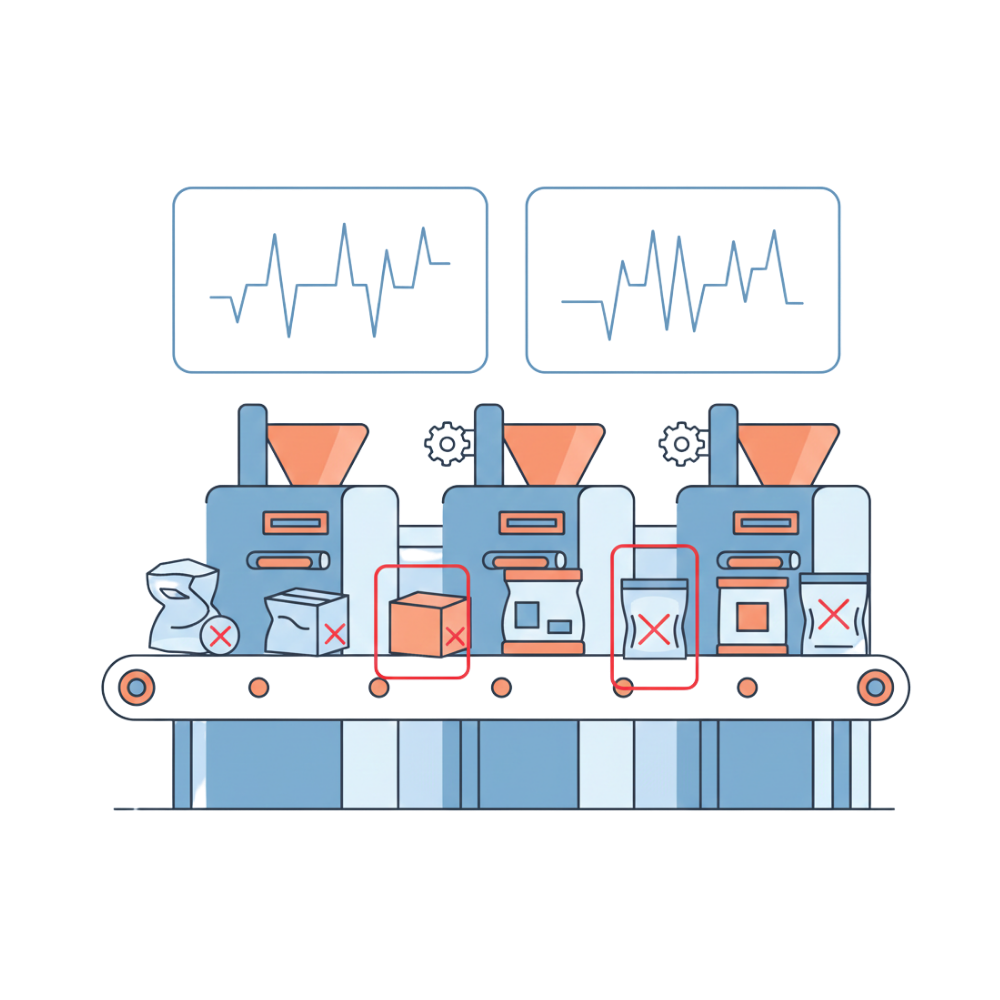
    image-1

    2

    Compliance Pressure vs. Shopfloor Reality

    While global markets demand strict food safety and traceability standards, many plants operate with manual systems and reactive documentation practices. Compliance must be built into daily operations—not managed during audits.

    image-1

    3

    Rising Costs, Shrinking Margins

    Escalating input costs combined with limited pricing flexibility compress margins. The real opportunity lies in yield optimization, downtime reduction, OEE improvement, and energy efficiency across the value chain.
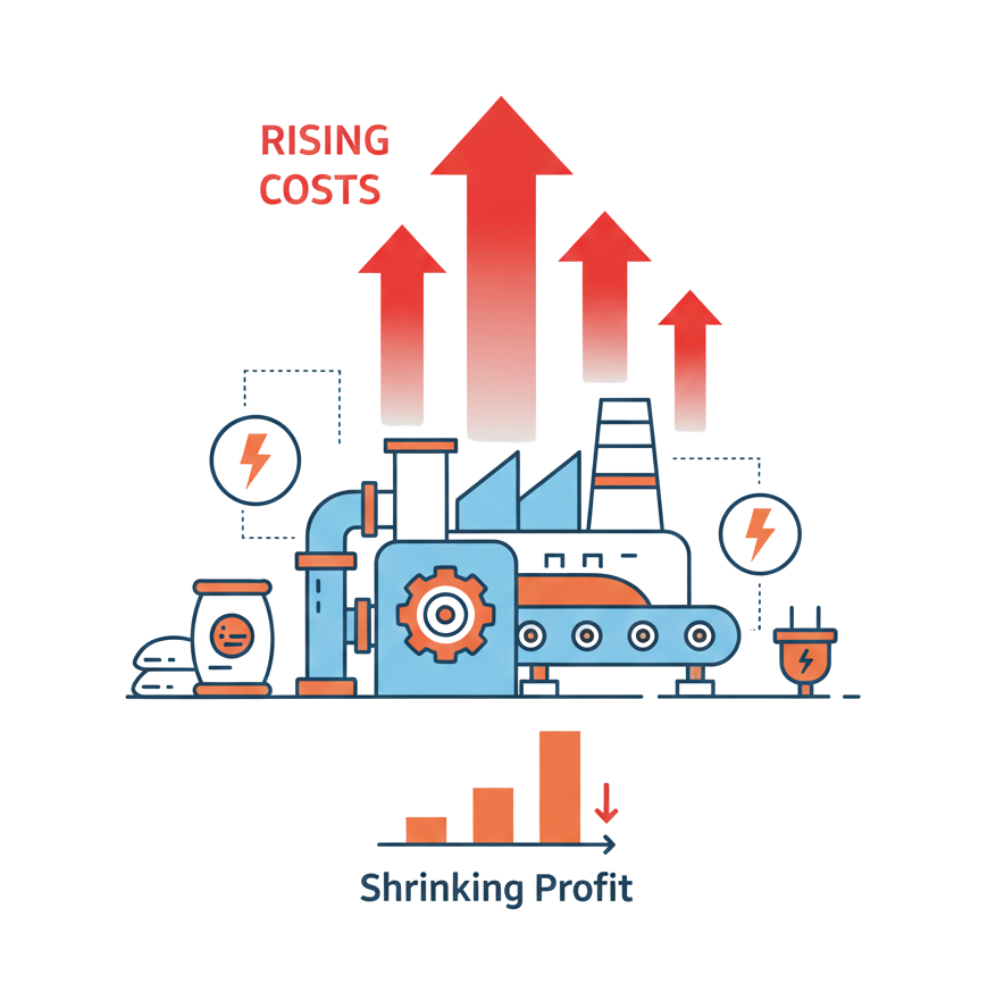
    image-1

    4

    Busy Plants, Lower Output

    Production lines may appear active, yet frequent stoppages, cleaning overruns, and maintenance inefficiencies reduce actual throughput. The gap between effort and output limits growth potential.
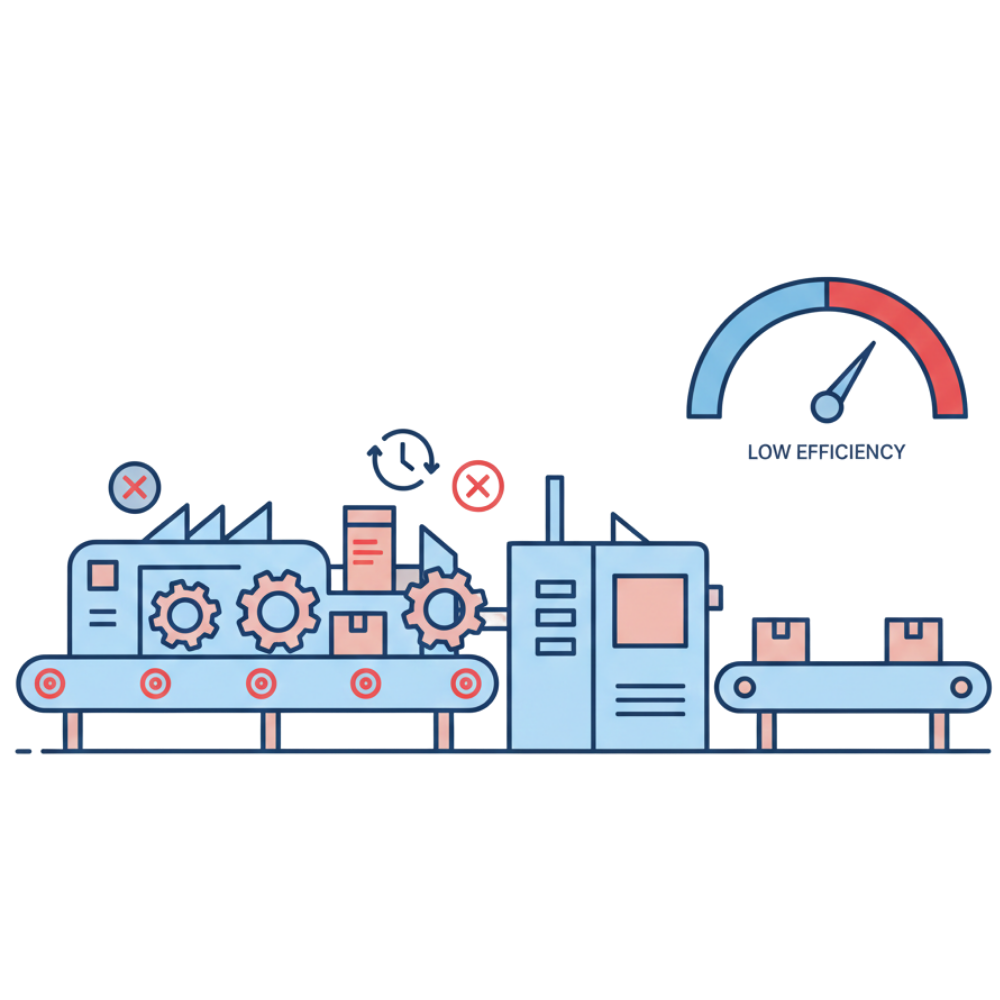
    image-1

    5

    Data Without Intelligence

    Although plants generate large volumes of operational data, the lack of integrated visibility results in reactive and delayed decision-making. Without real-time analytics, improvement remains inconsistent.

    image-1

    6

    Technology Without Integration

    Automation investments often operate in silos, creating complexity instead of clarity. Technology must be aligned and integrated to deliver measurable operational impact.
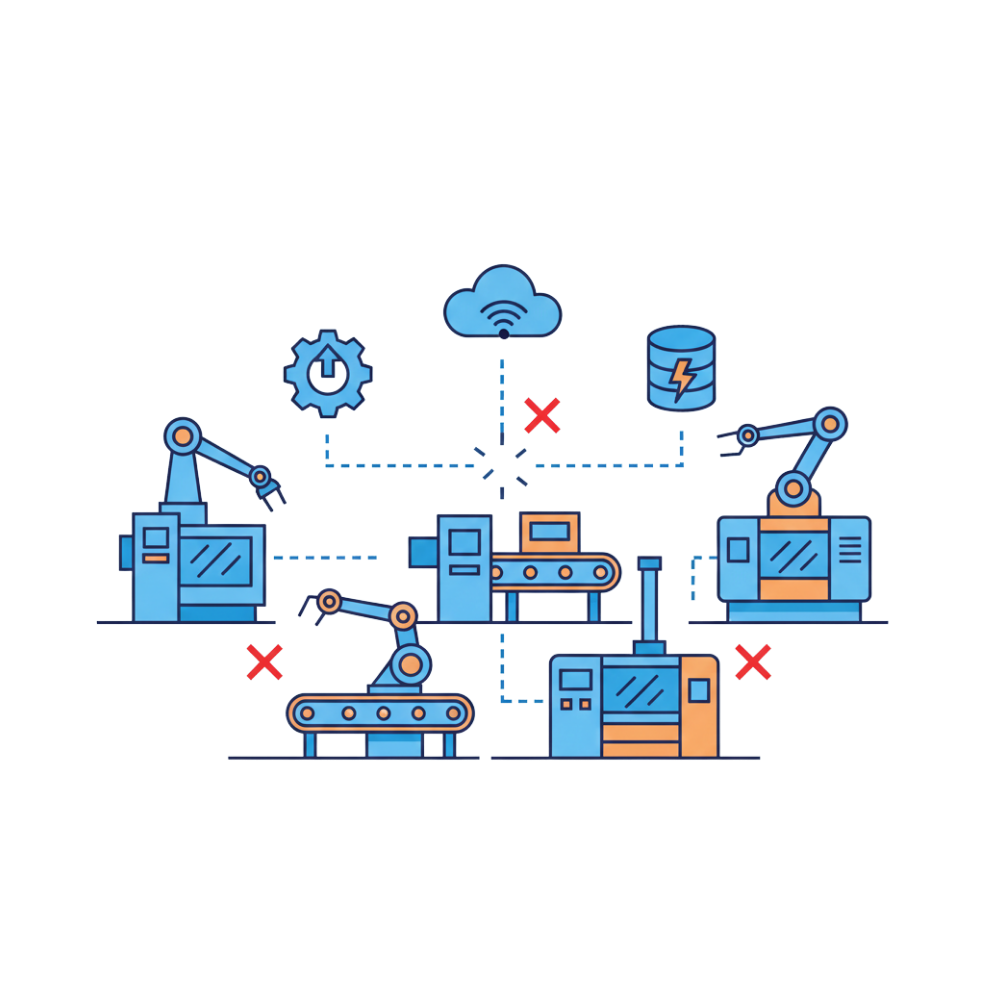
    image-1

From Operational Challenges to Predictable Performance

Food processing plants often look busy, yet actual output consistently falls short of potential. Hidden inefficiencies across processes, equipment, and planning reduce throughput and profitability.

Process Optimization & Yield Improvement

OEE and Throughput Enhancement

Food Safety & Compliance Systems

Digital Enablement & Analytics

Why Food Processing Operations Struggle to Scale

Food processing operations often struggle to scale not because of lack of demand, but due to internal inefficiencies and system gaps. Process instability, compliance pressure, and rising costs combine to limit consistent performance and sustainable growth.

Process Instability

Batch-to-batch variation in yield, moisture, and texture increases rework and quality risks.

Export Compliance Pressure

Strict global standards demand traceability, consistency, and robust documentation.

Rising Cost Pressure

Input costs increase while selling prices remain flat, leading to margin erosion.

How Krysalis Is Helping the Industry

Krysalis approaches food processing transformation with a systems-thinking mindset. Instead of isolated fixes, it focuses on integrated operational excellence.

Krysalis implements structured process mapping, statistical process control (SPC), and disciplined yield tracking to reduce variability at critical stages. By identifying control points and quantifying sources of deviation, plants move from reactive correction to preventive stabilization. The result is reduced batch-to-batch variation, predictable yields, and stronger export consistency.

Compliance is integrated into everyday operations rather than treated as an audit-driven activity. Through SOP standardization, visual management systems, digital documentation frameworks, reinforced hygiene discipline, and audit simulation protocols, Krysalis ensures that regulatory readiness becomes a natural outcome of routine operations.

Operational efficiency is strengthened through structured OEE frameworks, detailed loss mapping, and energy utilization tracking. By exposing micro-losses across the value chain, leadership gains clarity on margin leakage. Improvements in changeover efficiency, downtime management, waste reduction, and cold-chain performance deliver measurable financial impact without unnecessary capital expansion.

Krysalis enables digital integration across production, quality, and maintenance functions, consolidating data into unified performance dashboards. Real-time visibility supports early anomaly detection, faster root-cause resolution, trend-based forecasting, and improved planning accuracy. Decision-making shifts from reactive hindsight to proactive foresight.

Technology adoption is aligned with operational priorities and measurable ROI. Rather than implementing fragmented automation projects, Krysalis ensures integration, change management planning, and workforce capability development. Technology becomes a simplification tool that enhances operational clarity and coordination.

Beyond systems and tools, Krysalis strengthens organizational capability through leadership alignment, structured shopfloor training, continuous improvement frameworks, and cross-functional coordination. Growth becomes disciplined, repeatable, and scalable—supported by strong operational foundations.

Case Studies

Yield Stabilization in an Export-Focused Food Processor

The company faced 6–8% batch yield fluctuations due to raw material variability and unstable process parameters. By implementing statistical process control and standardizing critical parameters, yield variation was reduced below 2%, significantly

OEE Improvement in a Dairy Processing Plant

Despite running at full shift capacity, actual output was 20% below rated performance. Through structured OEE tracking, downtime classification, and changeover optimization, the plant improved OEE by 15–18% without additional capital investment.

Downtime Reduction in a Ready-to-Eat Processing Unit

Frequent minor stoppages and cleaning overruns were reducing throughput. By implementing root-cause analysis and structured maintenance planning, unplanned downtime reduced significantly, increasing dispatch volumes.

Digital Traceability Implementation for Export Compliance

Manual documentation and disconnected records created audit risks and traceability delays. A unified digital batch tracking system was introduced, enabling real-time visibility and rapid backward traceability, strengthening buyer confidence.

Margin Recovery Through Process Loss Mapping

Rising input costs were compressing profitability. Detailed loss mapping across production and cold-chain operations identified hidden inefficiencies, leading to measurable yield improvements and reduced energy consumption.

Integrated Dashboard Deployment for Real-Time Visibility

Operational data existed across multiple spreadsheets and systems. A centralized performance dashboard was developed to integrate production, quality, and maintenance metrics, enabling faster decision-making and predictive planning.


Cart (0 items)

Gurus – Business Consulting WordPress Theme

Contact Info

Mon - Frd : 8:00 -16:00
+020.098.456 11
gurusservices@email.com

Office Address

28 Valencia Street, New York United States of America