
India’s food ecosystem is transforming. Rising compliance expectations, supply chain volatility, export pressures, and changing consumer demands are forcing businesses to modernise faster than ever before. Krysalis partners with companies across agriculture and food processing to build operational excellence, improve supply chain performance, and create scalable growth systems.
The agriculture and food sector faces interconnected operational challenges that directly impact quality, efficiency, profitability, and scalability. Without integrated systems and disciplined execution, performance remains inconsistent and reactive.
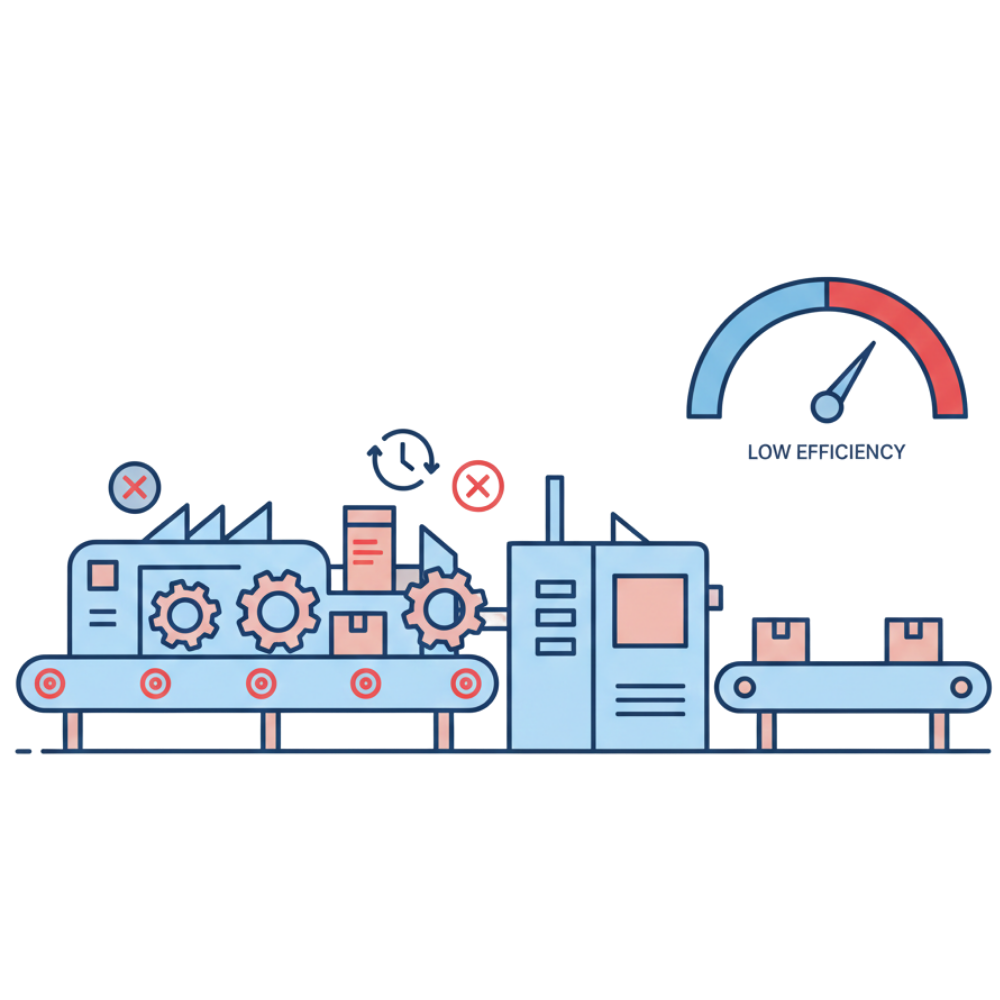
Food processing plants often look busy, yet actual output consistently falls short of potential. Hidden inefficiencies across processes, equipment, planning, and quality systems directly reduce throughput and profitability.
Improving process reliability, reducing variation, increasing throughput, and enhancing operational consistency across manufacturing operations.
Identifying hidden losses, improving utilisation, reducing downtime, and strengthening production performance.
Building stronger quality systems, traceability frameworks, SOP structures, and export-ready operational processes.
Improving operational visibility through dashboards, KPI systems, reporting structures, and supply chain performance monitoring.
The biggest barrier to growth in food and agriculture businesses is rarely market demand. Most operational challenges originate from fragmented systems, inconsistent execution, supply chain inefficiencies, and limited process visibility.
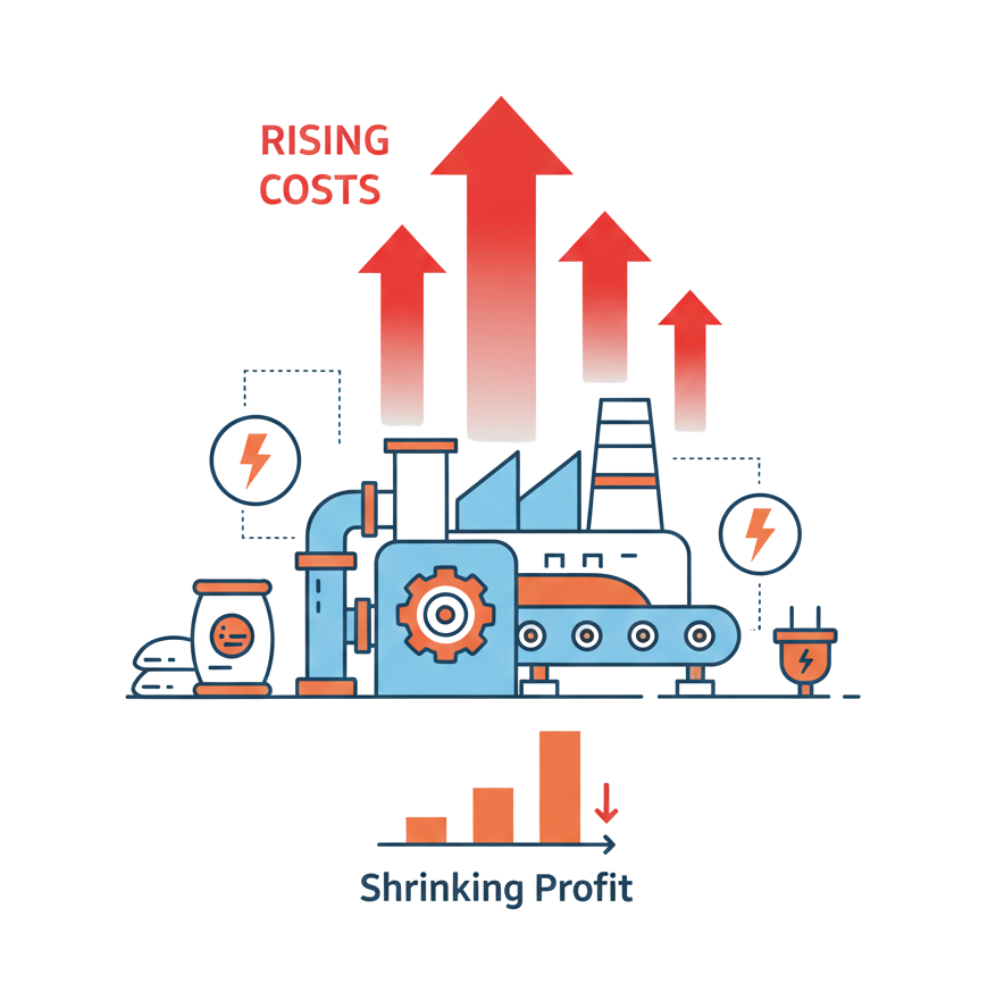
As businesses scale, small operational gaps become larger profitability problems — reducing efficiency, increasing waste, and limiting sustainable growth.
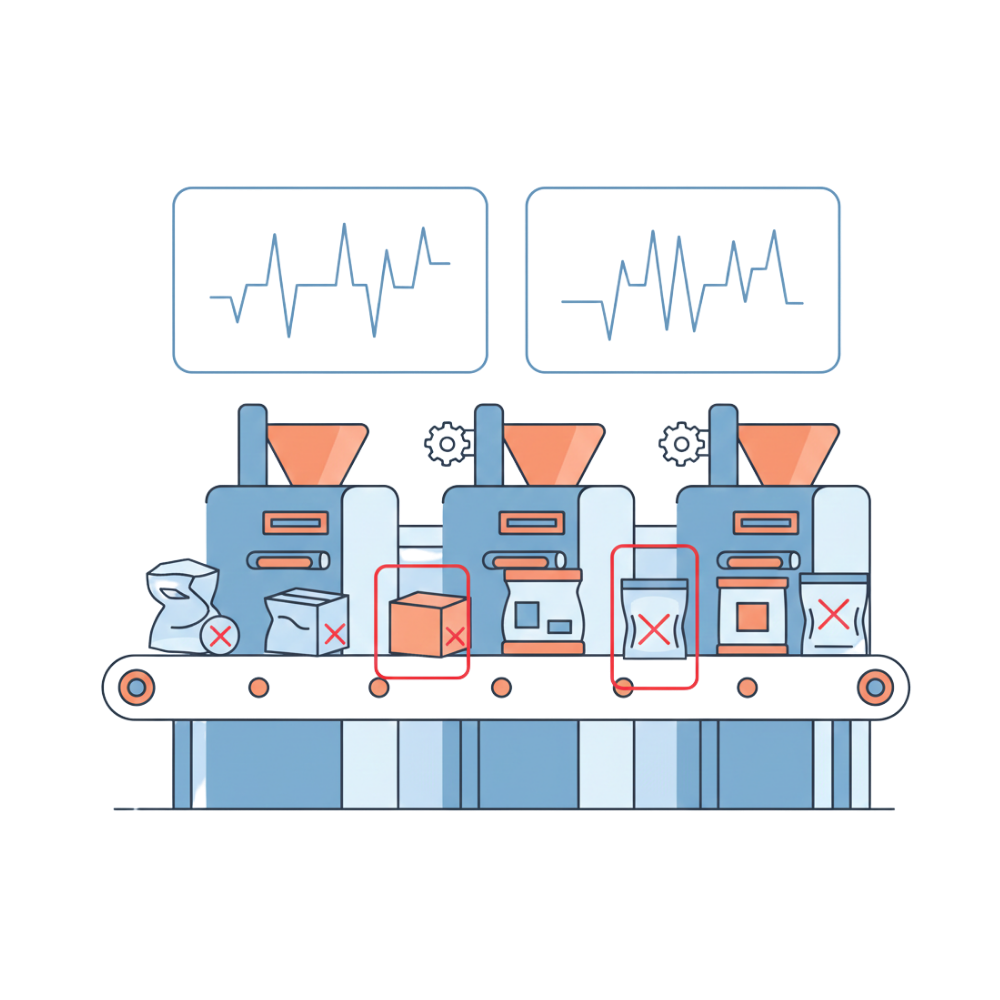
Small fluctuations in production conditions create major downstream impacts on quality consistency, yield performance, and operational efficiency.
Rising food safety expectations and export requirements demand structured operational discipline and integrated traceability systems.
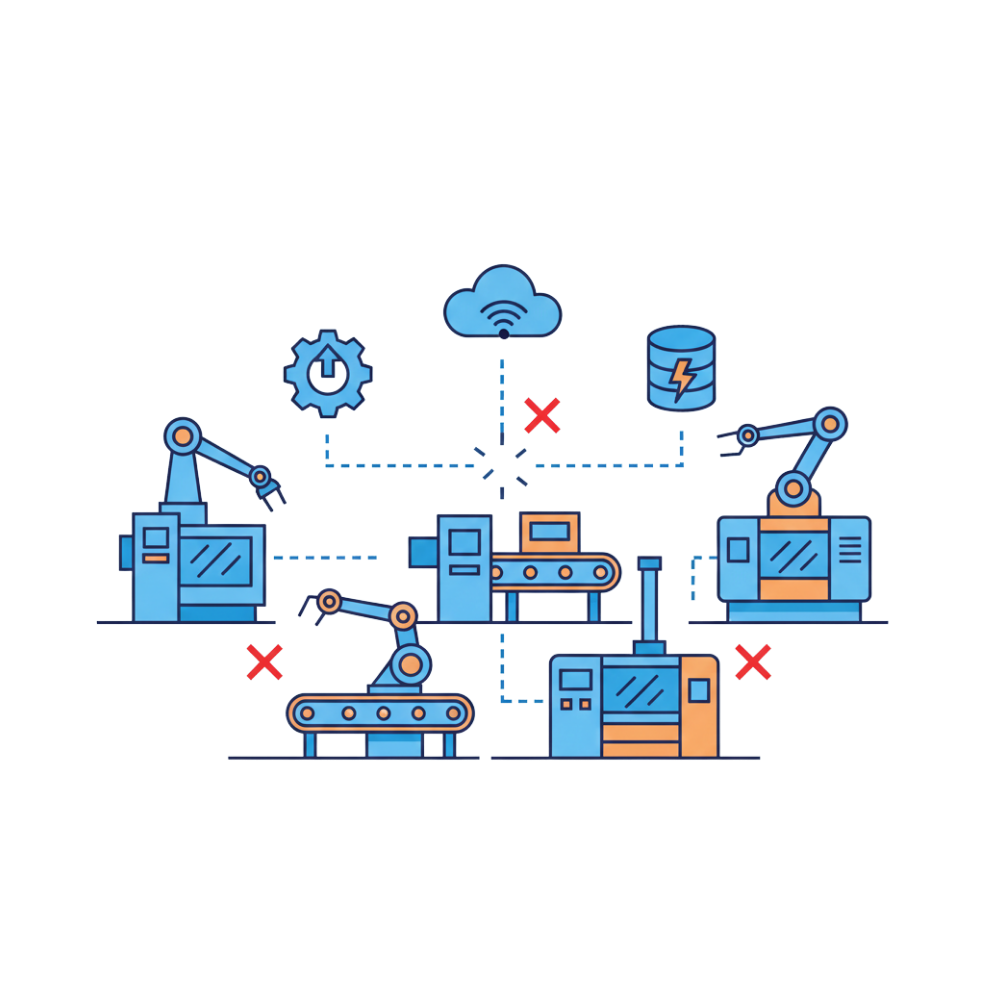
Disconnected processes across procurement, production, quality, and logistics reduce visibility and slow decision-making across the value chain.
We have worked extensively across food processing, agri-inputs, and agricultural supply chains. Our experience covers
manufacturing efficiency, quality system design, cold chain assessment, supply chain improvement, and operational transformation initiatives.
We understand the regulatory environment, export compliance expectations, and operational realities of this sector.
Building structured quality frameworks, food safety processes, traceability systems, and operational controls aligned with regulatory and export compliance standards.
Improving sourcing reliability, inventory movement, storage efficiency, transportation coordination, and cold chain effectiveness across the supply network.
Developing KPI systems, dashboards, and reporting structures that convert operational data into actionable performance insights and faster decision-making.
Creating standardised workflows, process discipline, and operational systems that support sustainable growth and scalable execution.
Helping businesses strengthen documentation, traceability, quality consistency, and operational compliance required for domestic and international market standards.
Identifying hidden inefficiencies, yield losses, process variation, and quality inconsistencies to improve operational stability and profitability.
Building internal systems, process ownership, and continuous improvement capabilities that strengthen long-term operational performance and resilience.
Primary and secondary food processing operations across value-added and packaged food categories.
Temperature-controlled logistics, cold storage systems, and perishables infrastructure.
The businesses that will lead the next decade will be those capable of combining operational discipline, supply chain resilience, quality consistency, and scalable systems.
Krysalis helps organisations build the operational foundations required to compete effectively in the evolving food economy.