

infographic
1
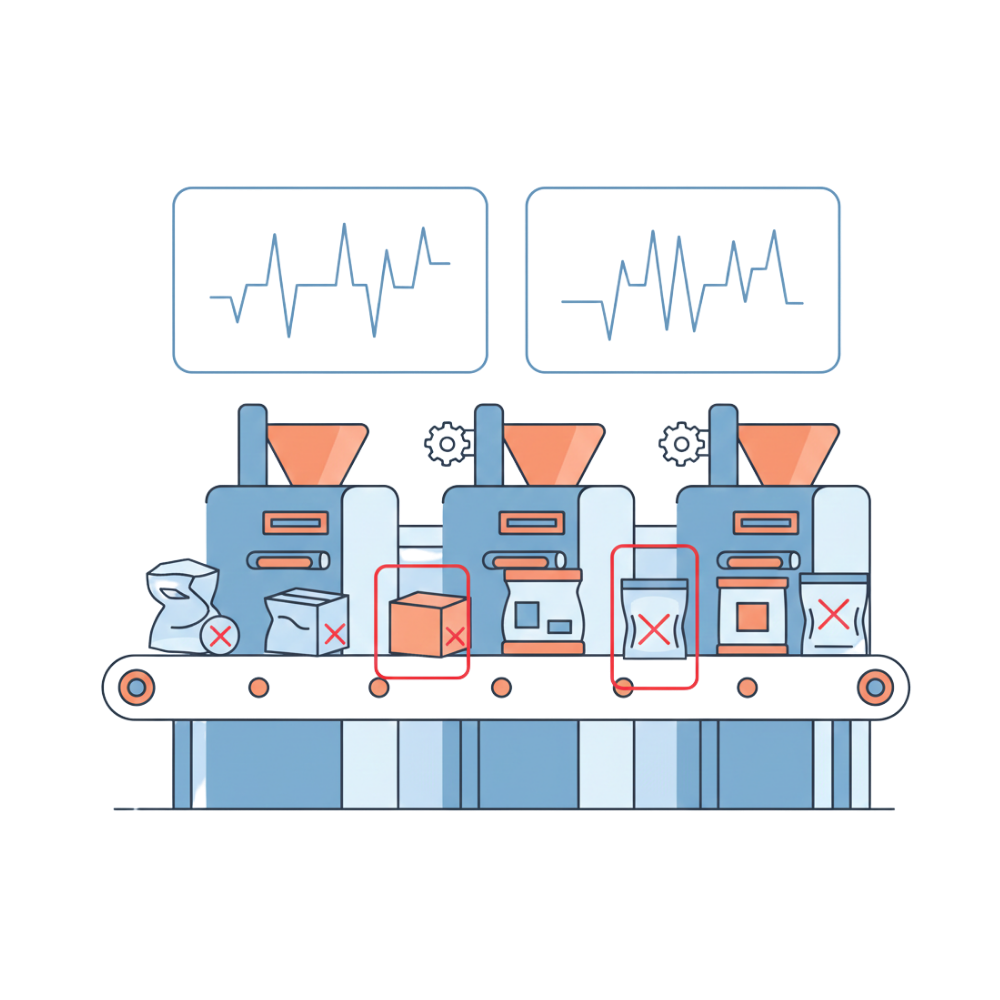
Inconsistent Yields & Process Variability
Uncontrolled raw material variation and unstable process parameters lead to fluctuating yields, inconsistent quality, rework, and margin erosion. Without scientific process control, variability becomes a hidden cost.
2
Compliance Pressure vs. Shopfloor Reality
While global markets demand strict food safety and traceability standards, many plants operate with manual systems and reactive documentation practices. Compliance must be built into daily operations—not managed during audits.

3
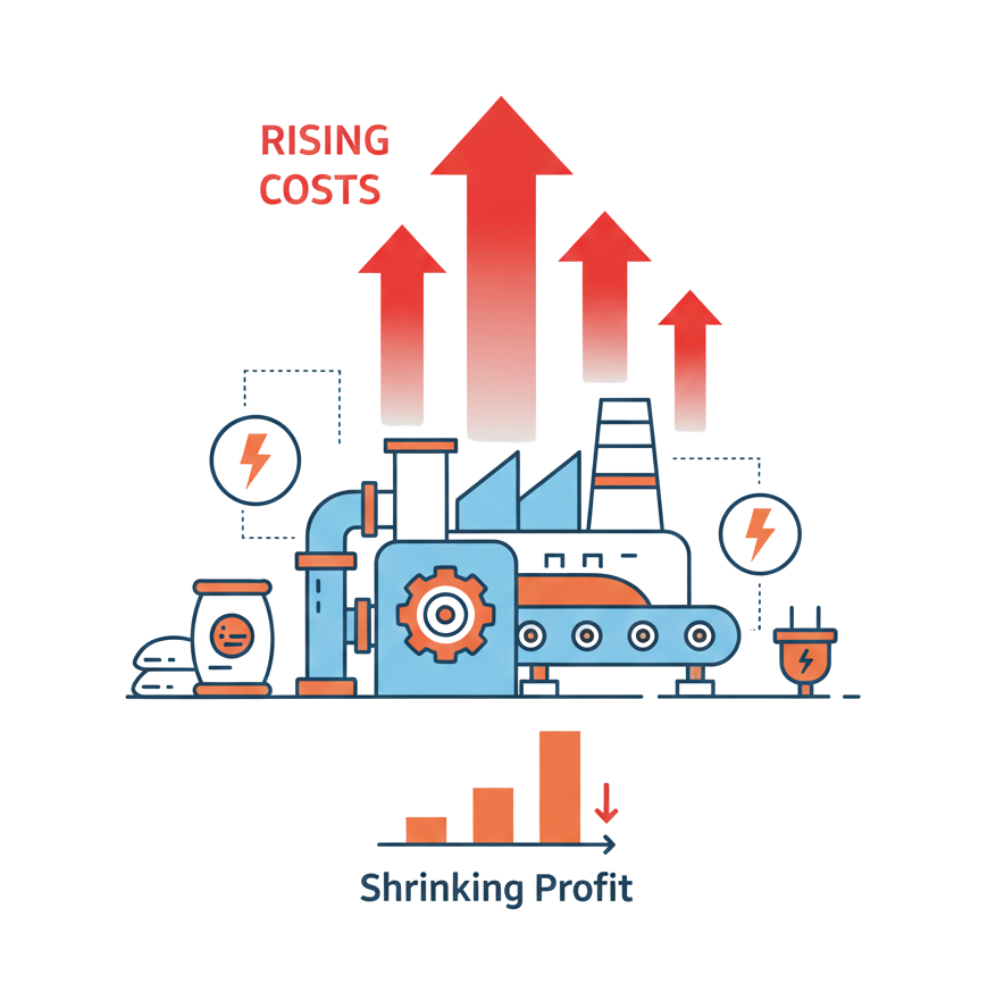
Rising Costs, Shrinking Margins
Escalating input costs combined with limited pricing flexibility compress margins. The real opportunity lies in yield optimization, downtime reduction, OEE improvement, and energy efficiency across the value chain.
4
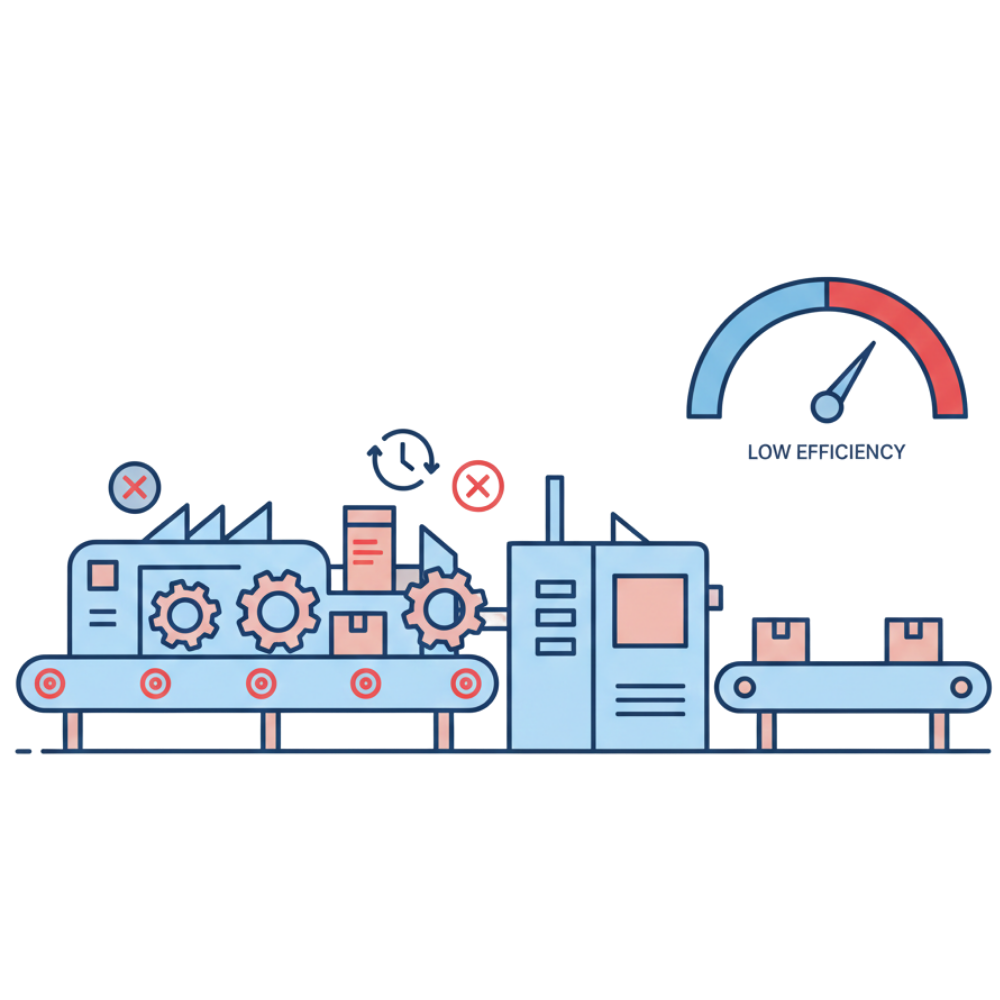
Busy Plants, Lower Output
Production lines may appear active, yet frequent stoppages, cleaning overruns, and maintenance inefficiencies reduce actual throughput. The gap between effort and output limits growth potential.
5
Data Without Intelligence
Although plants generate large volumes of operational data, the lack of integrated visibility results in reactive and delayed decision-making. Without real-time analytics, improvement remains inconsistent.

6
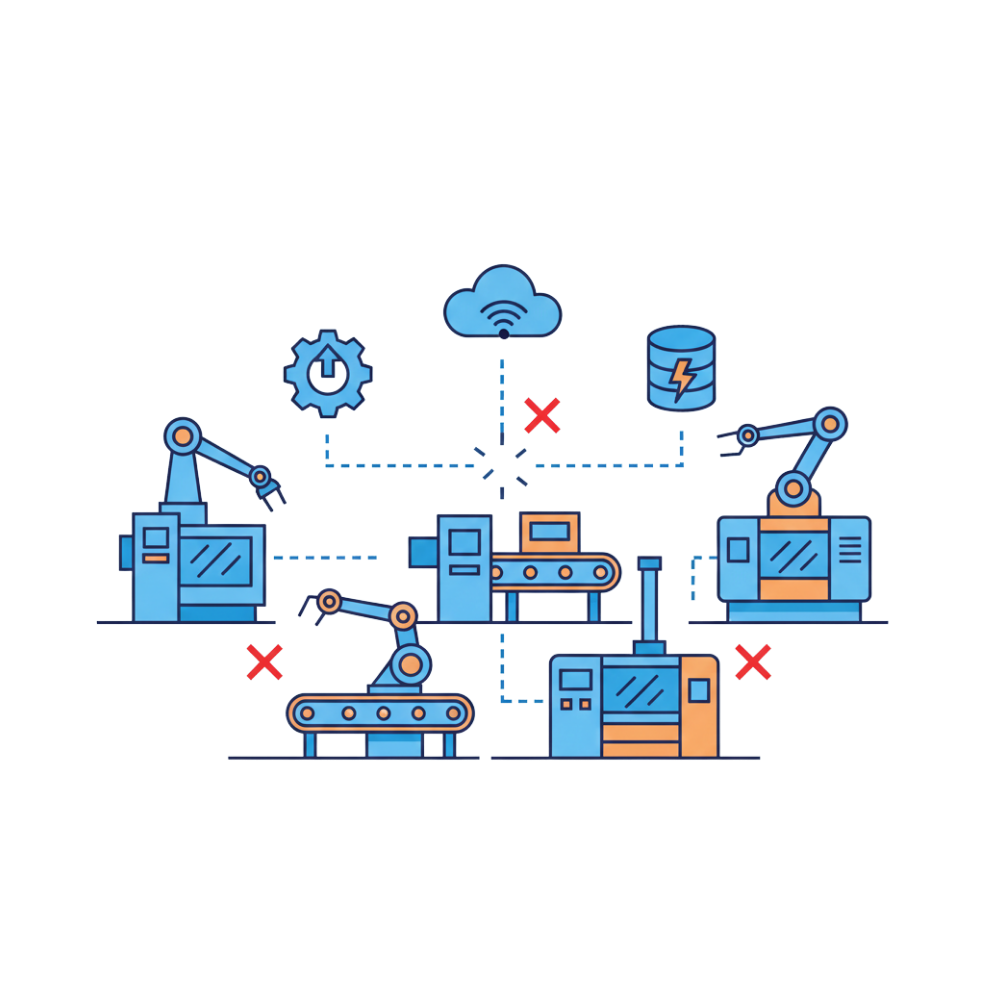
Technology Without Integration
Automation investments often operate in silos, creating complexity instead of clarity. Technology must be aligned and integrated to deliver measurable operational impact.
The company faced 6–8% batch yield fluctuations due to raw material variability and unstable process parameters. By implementing statistical process control and standardizing critical parameters, yield variation was reduced below 2%, significantly
Despite running at full shift capacity, actual output was 20% below rated performance. Through structured OEE tracking, downtime classification, and changeover optimization, the plant improved OEE by 15–18% without additional capital investment.
Frequent minor stoppages and cleaning overruns were reducing throughput. By implementing root-cause analysis and structured maintenance planning, unplanned downtime reduced significantly, increasing dispatch volumes.
Manual documentation and disconnected records created audit risks and traceability delays. A unified digital batch tracking system was introduced, enabling real-time visibility and rapid backward traceability, strengthening buyer confidence.
Rising input costs were compressing profitability. Detailed loss mapping across production and cold-chain operations identified hidden inefficiencies, leading to measurable yield improvements and reduced energy consumption.
Operational data existed across multiple spreadsheets and systems. A centralized performance dashboard was developed to integrate production, quality, and maintenance metrics, enabling faster decision-making and predictive planning.